
Logistics Giants Shift From Robot Pilots to Fleet-Wide AI Orchestration
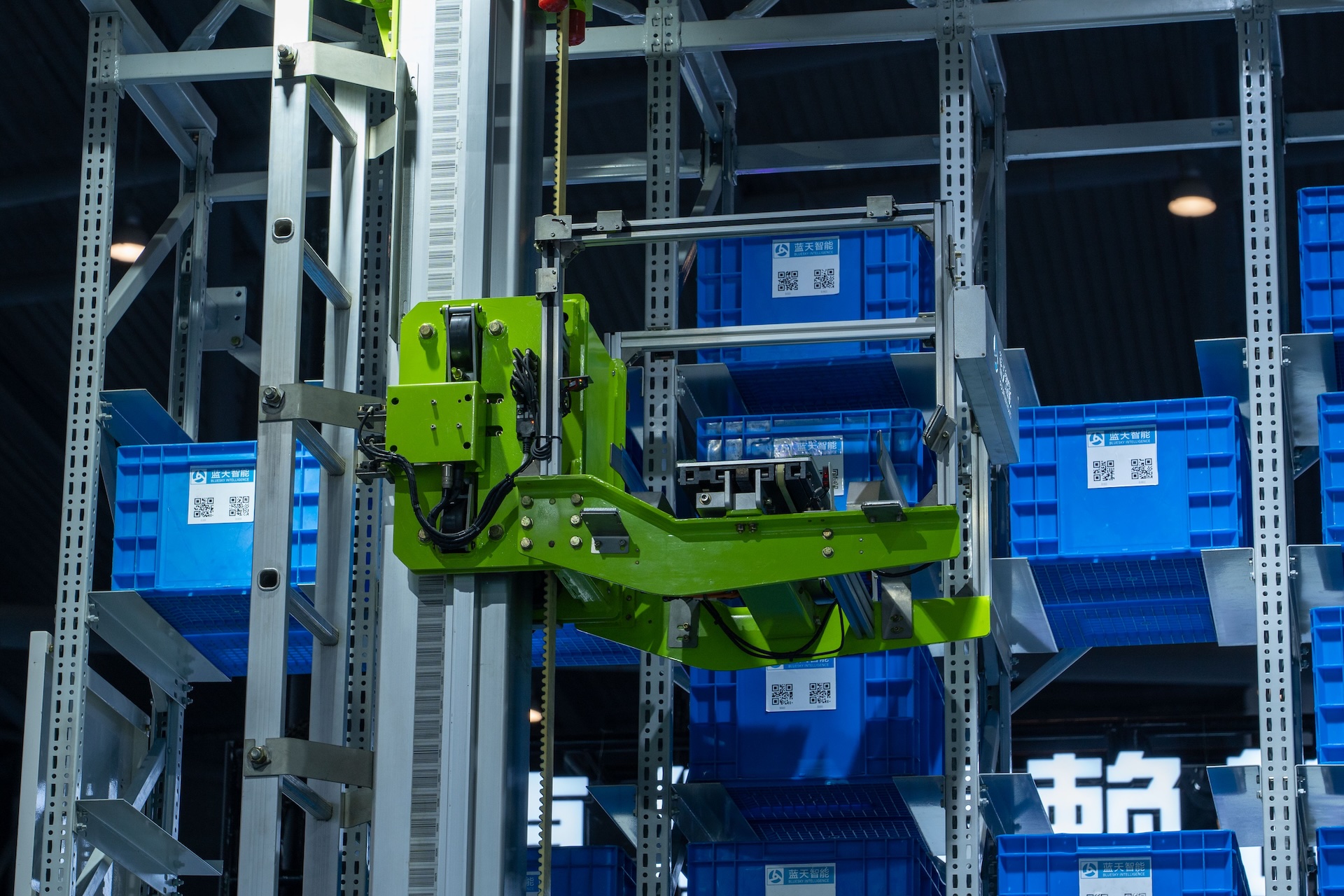
For years, the race to automate global supply chains looked like an arms race for steel and sensors. Warehouse operators measured progress by the sheer number of autonomous mobile robots, automated guided vehicles, and robotic arms they could bolt onto concrete floors. Now, the economics of third-party logistics are shifting. Hardware is rapidly becoming a commodity; the real competitive moat is migrating upward into the software layer that coordinates it all.
Two announcements this month from the upper echelons of contract logistics illustrate how quickly the industry is moving from isolated hardware pilots to full-stack AI orchestration. On November 12, GXO Logistics, the world's largest pure-play contract logistics provider, signed a letter of intent with Austin-based robotics developer Apptronik to scale the deployment of Apollo humanoid robots. Following two years of testing across more than 50 distinct warehouse tasks—and a live pilot earlier this year picking small consumer goods—the agreement maps out a commercial rollout of up to 1,000 humanoid units over the next four years, starting in North America in late 2027.
Crucially, GXO is not buying these machines outright. The deal is structured under a Robotics-as-a-Service model, allowing the logistics operator to convert heavy upfront capital expenditure into a predictable operating expense. Each workflow, from case movement to packing and sortation, is gated behind strict productivity and safety benchmarks before scaling. GXO is running a similar playbook with Agility Robotics, having recently expanded deployments of its Digit humanoids to additional US e-commerce sites in North Carolina and Tennessee for early 2027.
Just a day before GXO's announcement, rival DHL Supply Chain offered a glimpse of what happens once those fleets reach massive scale. Reporting that its active global network has surpassed 9,000 automated units—accounting for more than 1.5 billion cumulative robotic picks and 10 million cases unloaded by Boston Dynamics Stretch units—DHL revealed it is rolling out an AI-driven orchestration layer across operational warehouses worldwide.
The strategic logic behind DHL's push highlights the central bottleneck of modern fulfillment: multi-vendor fragmentation. A typical automated distribution center today is a patchwork of competing technologies. Locus Robotics carts handle order picking, Robust.AI platforms navigate dynamic floor layouts, heavy-duty Stretch arms unload trailers, and human workers manage exceptions. Without a unified brain, these systems operate in rigid silos, requiring manual reconfiguration whenever order profiles shift.
DHL's new software workflows are designed to synchronize mobile robots, automated packaging lines, and legacy warehouse management systems in real time, dynamically reallocating floor capacity as order demand fluctuates throughout the day. GXO is pursuing an almost identical architectural thesis through GXO IQ, its proprietary AI platform built on Google Cloud Vertex AI and Snowflake Cortex AI. Rather than merely tracking inventory, these orchestration engines anticipate bottlenecks, sequence tasks across mixed human-and-machine teams, and feed live operational telemetry directly to enterprise clients.
For global shippers, the financial stakes are immediate. Contract logistics has long been a low-margin business hostage to seasonal labor spikes and high worker turnover. During peak retail periods, onboarding temporary staff erodes profitability and slows throughput. By pairing flexible, service-based robotics contracts with vendor-agnostic AI control layers, third-party logistics giants are effectively decoupling warehouse capacity from local labor availability.
In the next phase of warehouse competition, owning the fastest robot will matter far less than owning the operating system that tells a thousand different machines—and the humans working beside them—where to move next.
Sources
GXO Logistics, Apptronik, DHL Supply Chain, Supply Chain Digital, IN Supply
Subscribe
Get Niien News updates in your inbox.