
US Expands Iran Maritime Blockade to Ship-to-Ship Transfers
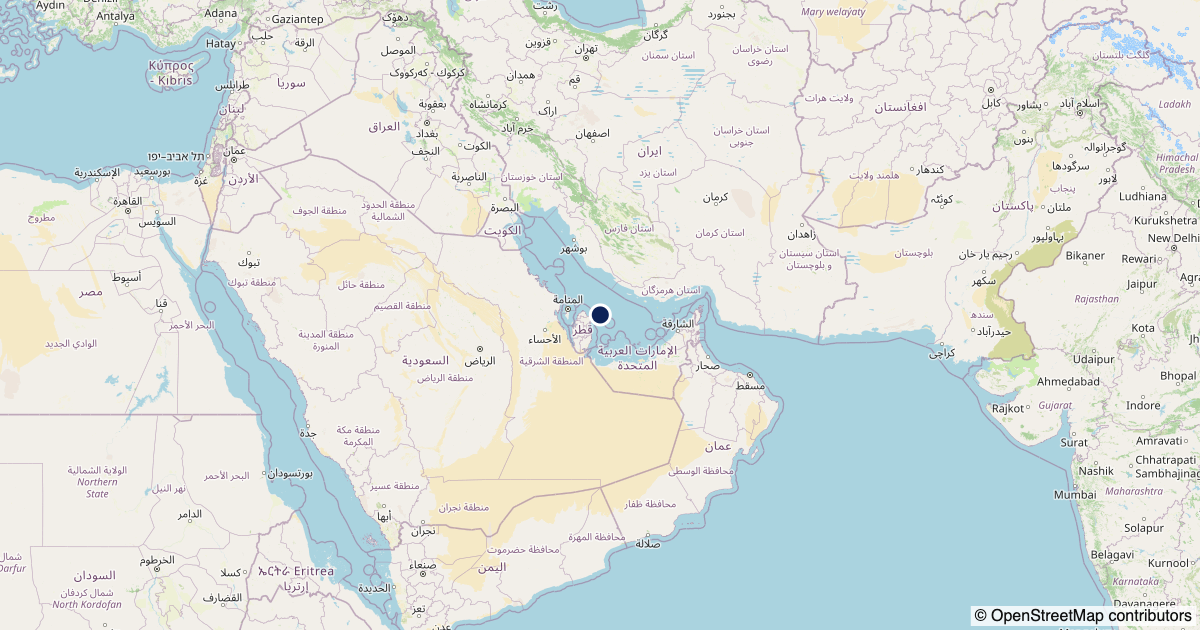
The United States military has issued an advisory expanding its maritime blockade against Iranian oil exports to include ship-to-ship transfers in the Gulf. Under the new guidance, any vessel that receives cargo at sea from a ship loaded at an Iranian port will be treated as attempting to evade sanctions and could face interception or other enforcement action.
The advisory, reported by maritime news outlet gCaptain, extends restrictions that previously applied to direct calls at Iranian ports. Ship-to-ship transfers have become a common method for moving Iranian crude to buyers while concealing its origin, often involving tankers that switch transponders or transfer cargo in international waters. By targeting these operations, the US aims to close a loophole that has allowed Iranian oil to reach markets despite sanctions.
The move matters for global shipping and trade because it raises the operational and financial risk for any tanker involved in STS transfers in the Gulf region. Owners and charterers now face the possibility of detention, blacklisting, or seizure if their vessel is deemed to have participated in such a transfer. This uncertainty is likely to affect freight rates, as shipowners may demand war-risk premiums or avoid the area altogether.
Maritime insurers are expected to respond by refining their risk assessment for vessels transiting the Gulf. Coverage for tankers with a history of Iranian port calls or STS activity may become harder to obtain or significantly more expensive. Since protection and indemnity insurers typically require evidence of compliance with sanctions, any ambiguity about a vessel's movements can lead to delayed claims or denial of cover.
The expanded blockade also affects global oil trade flows. Iran currently exports a substantial volume of crude, much of it to China and other Asian buyers, through shadow fleet vessels that operate outside mainstream shipping channels. If enforcement becomes more aggressive, some of these cargoes may be delayed or rerouted, creating temporary supply disruptions. Traders may respond by shifting to other Gulf producers, which could alter regional pricing benchmarks.
The broader implications for trade finance are significant. Banks and financial institutions are cautious about processing payments for cargoes that could be linked to sanctioned entities. A stricter maritime enforcement regime increases the compliance burden on traders, who must now prove that a cargo was not transferred at sea from an Iranian port. Documentary evidence, such as bills of lading and voyage histories, will come under closer scrutiny, and financing for tanker operations in the Gulf may become more restrictive.
While the advisory represents a policy decision by the US military, its practical effect depends on enforcement resources and the willingness of other countries to cooperate. The measure does not extend to US law automatically, but it signals the direction of sanctions enforcement. Shipping companies, insurers, and financiers should assess their exposure to STS transfer activity in the Gulf, as the risk environment has changed materially.
Subscribe
Get Niien News updates in your inbox.