
Ukraine Strikes Russian Ship in Libyan Port, Raising Shipping Risks
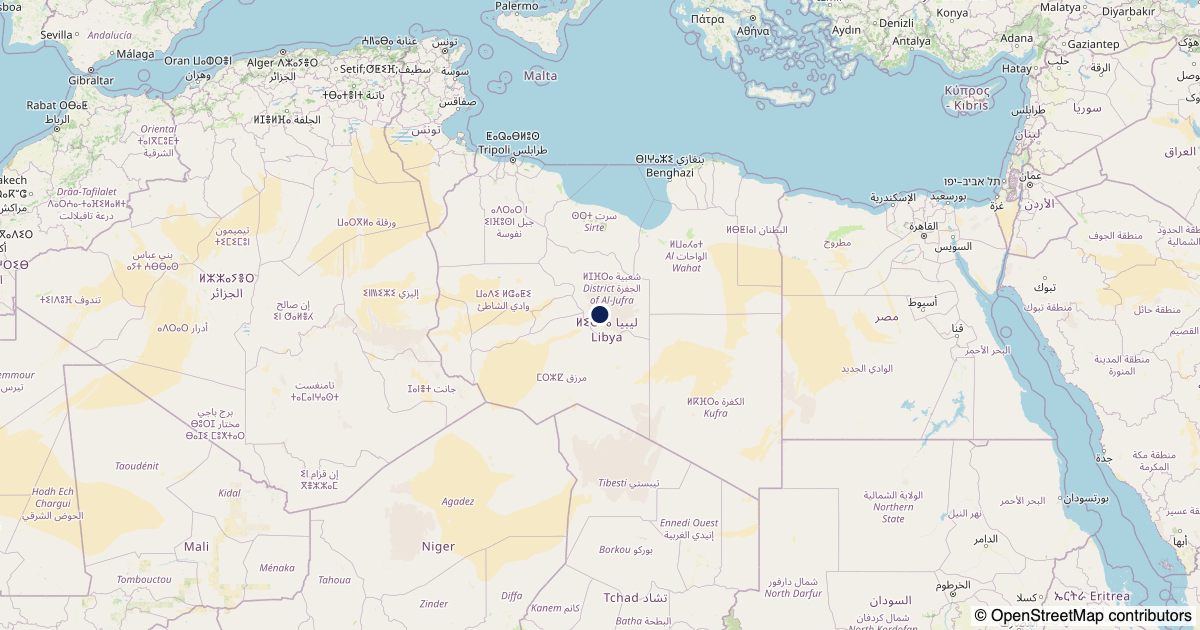
Ukrainian forces struck and sank a Russian naval vessel in a Libyan port, extending the war to Mediterranean waters and adding a new layer of maritime risk for commercial shipping.
The attack, which targeted the vessel while it was docked, marks a significant escalation in Ukraine's long-range operations. Russia has in recent months deepened its military foothold in Libya, including securing port access on the country's Mediterranean coast. Ukrainian officials have described the strike as a legitimate action against Russian military assets.
Shipping and insurance at risk
The Mediterranean is one of the world's busiest commercial corridors, connecting the Suez Canal to European and transatlantic markets. An attack on a port in North Africa raises the risk profile for vessels entering and leaving Libyan harbours, as well as for ships transiting nearby routes.
Marine insurers typically adjust war-risk premiums quickly after major incidents. If underwriters classify Libyan ports or surrounding waters as higher-risk, carriers calling there will face higher costs. Those costs are often passed on to cargo owners and eventually to consumers, particularly for oil, gas, and agricultural goods moving through the region.
Port operators in Libya may also tighten security, which could slow the handling of containers and bulk cargo. Libya exports significant volumes of crude oil, and any disruption to loadings would affect European energy markets already sensitive to supply shocks.
Wider trade implications
Beyond the Mediterranean, the incident reinforces the broadening geographic scope of the Ukraine war. Shipping lines have already rerouted some traffic away from the Red Sea due to Houthi attacks; the addition of a new danger zone in North Africa may increase pressure on freight rates and capacity.
Trade finance providers are also affected. Banks underwriting letters of credit for shipments to Libyan ports may demand more documentation, review insurance coverage more closely, or raise fees. For exporters and importers, this translates into longer settlement cycles and higher working capital requirements.
The immediate commercial impact may be limited if the attack does not trigger a wider conflict in Libya. But risk is priced prospectively. The presence of Ukrainian strike capability in the central Mediterranean changes calculations for insurers, shipowners, and logistics operators, and it introduces an element of uncertainty into global shipping markets that extends well beyond a single port.
Subscribe
Get Niien News updates in your inbox.