
Miners finance rail branch to open Argentina's Pacific export route
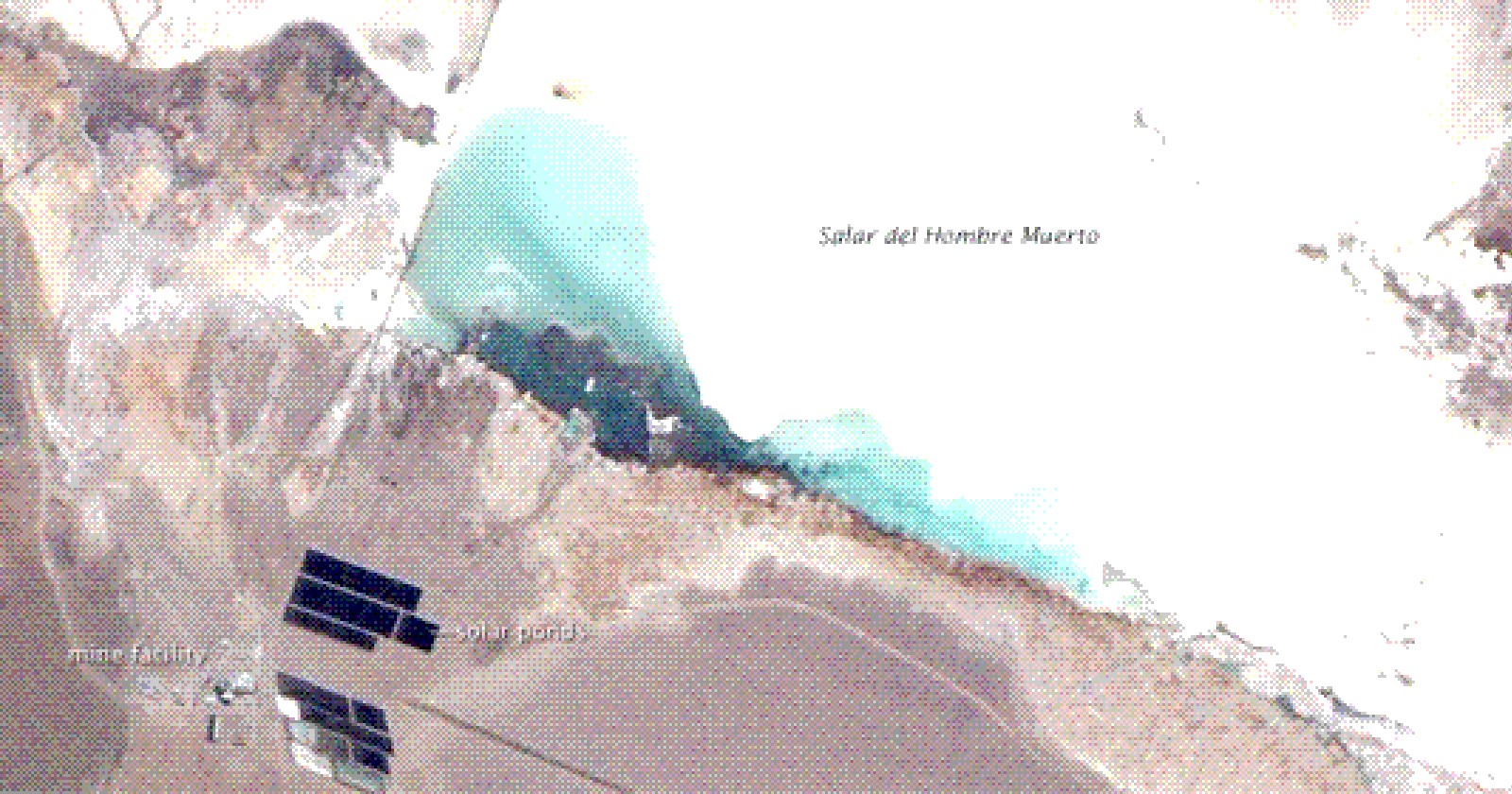
Argentina's Chief of Cabinet, Diego Santilli, announced on Wednesday that Posco, Taca Taca, and Rio Tinto will finance the recovery of the C14 branch of the Belgrano Cargas freight rail line. The national government, meanwhile, will invest in the adjacent C15 branch. The arrangement is set to be formalized on November 30 with the governor of Salta province, according to the announcement made before the Senate.
The C14 line is the only rail link connecting the mineral-rich Puna region to Chile via the Socompa pass, offering a direct corridor to Pacific ports. For lithium and copper producers, this route shortens the distance to Asian and other export markets compared to Atlantic shipping lanes from Argentina's east coast. The project aims to rehabilitate the line, which currently moves roughly 13,000 tonnes of cargo annually, according to a 2023 World Bank estimate. That figure could rise to 1.35 million tonnes per year by 2045, a roughly hundredfold increase.
The announcement comes alongside a broader privatization of Belgrano Cargas y Logística S.A., which operates the Belgrano, San Martín, and Urquiza lines. The Ministry of Economy has called a national and international tender for concession of about 7,594 km of track across 16 provinces for 50 years, with an option to purchase rolling stock. Bids are due by December 21, 2026, via the CONTRAT.AR platform.
The C14 rehabilitation is not included in the mandatory works of the concession tender, but the government has committed to a supplementary agreement. The financing structure—whereby mining companies directly fund the line—ties rail investment to the region's lithium and copper development. Successful execution would allow landlocked producers in Salta and neighboring provinces to move bulk commodities to Pacific ports, reducing reliance on trucking and cutting costs for global supply chains.
Subscribe
Get Niien News updates in your inbox.