
EU picks Rotterdam and Venice for critical raw materials stockpile pilot
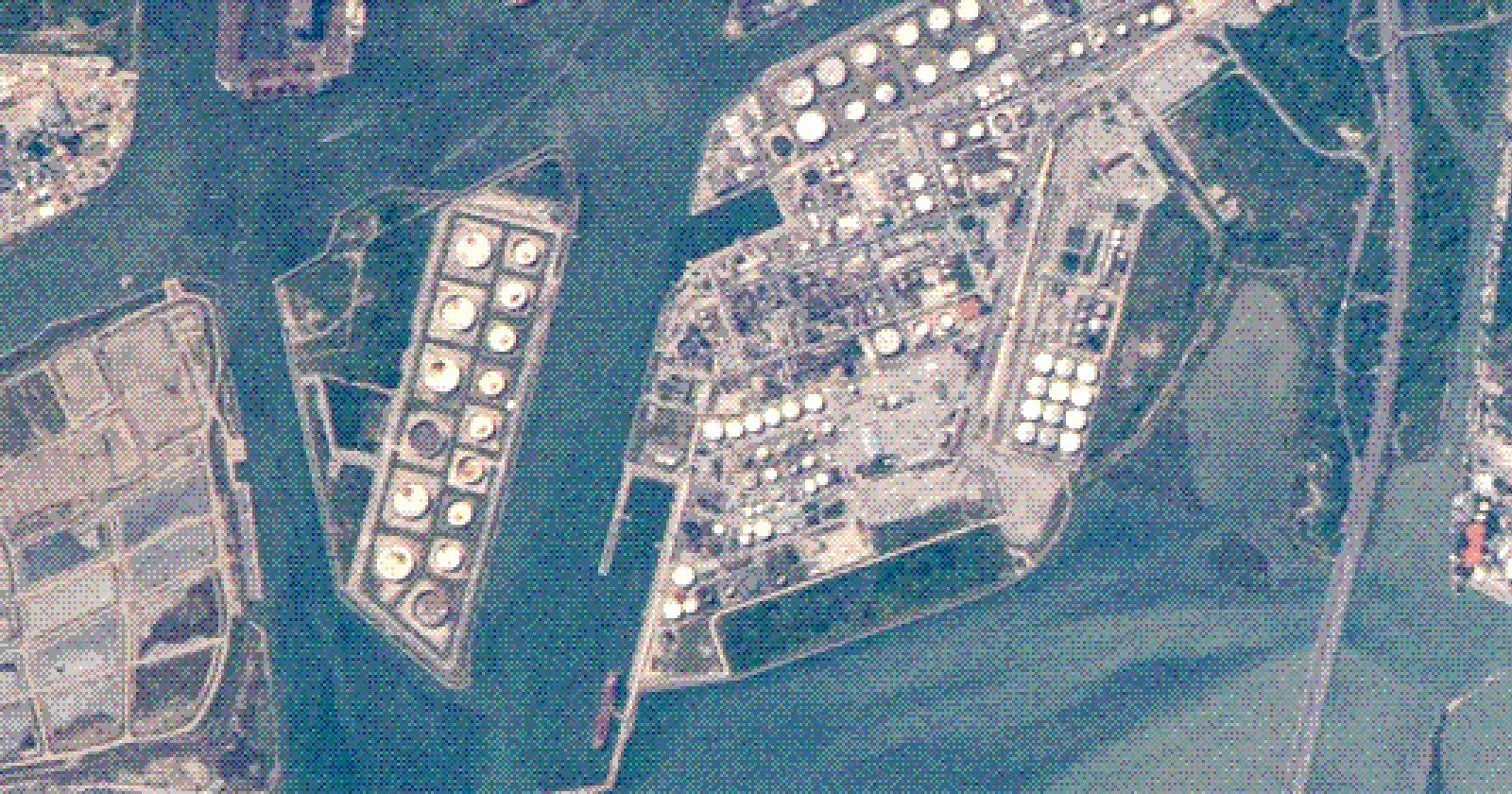
The European Commission has selected the Netherlands and Italy to run the European Union’s first pilot for stockpiling critical raw materials, an initiative designed to test how a bloc-wide reserve would work in practice. The project, backed by up to €14m in EU funding, will create a north–south network linking the Port of Rotterdam with Porto Marghera in Venice, with initial trials starting in 2027 focused on rare earth elements and tungsten.
Both materials are central to defence, semiconductor and green-technology supply chains. The pilot will cover procurement, storage and the mechanics of releasing stocks during a crisis, according to the Dutch government’s announcement on 20 November.
Strategic context
The pilot operationalises the EU’s Critical Raw Materials Act, which sets a target of capping reliance on any single third country for a strategic material at 65% by 2030. The legislation also calls for 10% of extraction, 40% of processing and 25% of recycling to take place within the bloc. China dominates global mining and refining of rare earths and tungsten, and its export controls introduced between 2023 and 2025 prompted Brussels to accelerate planning for state-backed buffer stocks. The European Commission’s RESourceEU blueprint, published in late 2025, provided the template.
Partners and industrial interests
The Dutch consortium includes the Ministry of Economic Affairs, the Port of Rotterdam Authority, the Netherlands Enterprise Agency, the Geological Survey of the Netherlands, the national oil-stockpiling agency COVA, promotional bank Invest-NL and logistics firm C. Steinweg. Rabobank and the Erasmus Commodity & Trade Center are also participating. On the Italian side, port and industrial authorities around Venice and Ravenna are involved, alongside the regional government of Veneto.
Dutch Minister of Economic Affairs and Climate Heleen Herbert and Italian Industry Minister Adolfo Urso both framed the pilot as a way to anchor refining, recycling and pricing activity in their ports. The scheme gives private partners an early position in what could become a regulated European market for critical materials.
Scale and limitations
At €14m, the pilot will buy only symbolic volumes. Independent estimates suggest the budget would procure roughly 385 tonnes of rare-earth magnets, or about one week of EU imports from China. Analysts also note that stockpiling raw ores or concentrates is of limited use without domestic separation and magnet-making capacity to convert them during a cutoff.
Governance questions remain. Target volumes, material grades and the rules for releasing stocks in a crisis have yet to be defined. Public reserves could also crowd out private corporate inventories or distort thin, opaque spot markets. The European Commission said the pilot would inform decisions on whether to build a full-scale reserve later this decade.
Subscribe
Get Niien News updates in your inbox.