
DR Congo Reimposes Blanket Cobalt Export Ban to Stem Price Slump
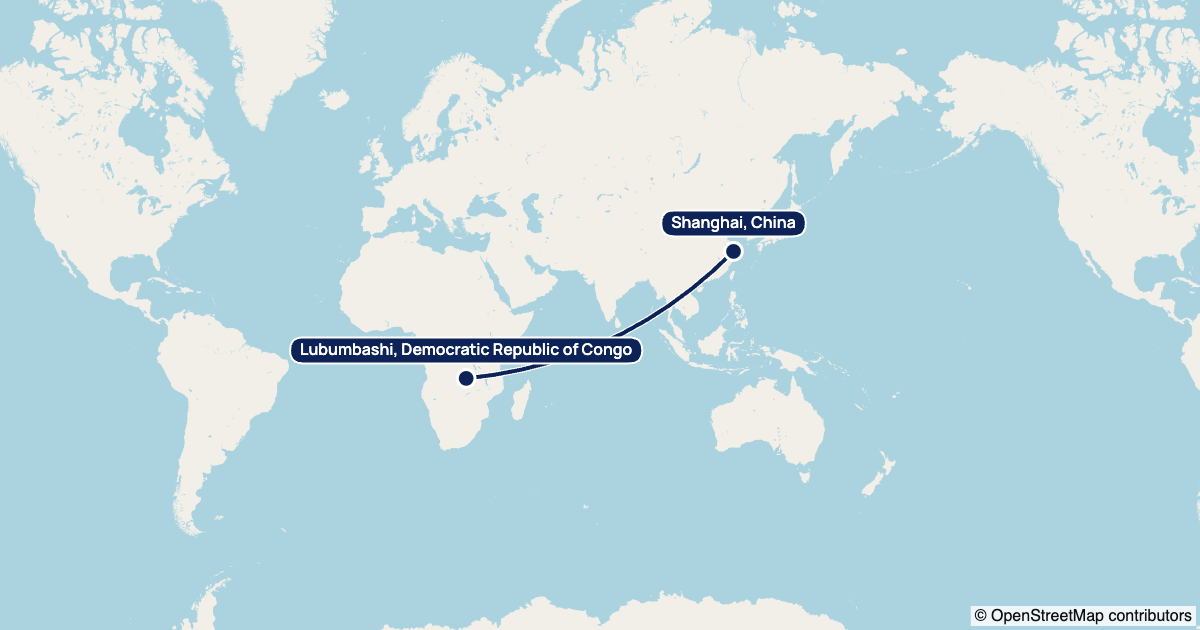
The Democratic Republic of Congo will suspend all cobalt exports starting November 30, 2026, in its second market intervention in under two years to arrest a sustained price decline. The halt, announced Monday by the regulator ARECOMS, covers both industrial and artisanal output and will be reviewed after four months to recalibrate export quotas.
The DRC accounts for roughly 74% of global mined cobalt, according to the U.S. Geological Survey, while China controls about three-quarters of global refining capacity. Kinshasa first froze exports in February 2025 before introducing a 96,600-tonne annual export cap in October 2025.
Despite those measures, cobalt hydroxide prices have continued to fall. Benchmark Mineral Intelligence data show prices dropped from $23.75 per pound in July 2026 to $12.50 per pound by mid-November, pressured by rising inventories, expanded battery recycling and slower demand growth.
Supply chain fallout
The existing quotas had already curbed supply. Glencore’s nine-month 2026 cobalt output fell 52% to 13,700 tonnes, while China’s CMOC Group saw sales decline 75%. A full export suspension will further tighten availability of a metal essential to electric vehicle batteries and aerospace alloys.
The freeze also complicates Western efforts to secure non-Chinese supply chains. Glencore has been seeking to sell a 40% stake in its Mutanda and Kamoto mines to the US-backed Orion Critical Mineral Consortium, a deal reportedly valued at $9 billion. The export ban adds uncertainty to the transaction and to broader investment in Congolese cobalt.
The move mirrors a wider African push for local mineral processing, modeled on Indonesia’s 2020 raw nickel export ban. Guinea has restricted raw gold exports, and Zimbabwe has imposed lithium export curbs. These policies aim to capture more value domestically but risk disrupting global supply chains and trade flows.
Subscribe
Get Niien News updates in your inbox.