
Boehly Consortium Acquires Lukoil's Foreign Assets with $10B in Russian Securities
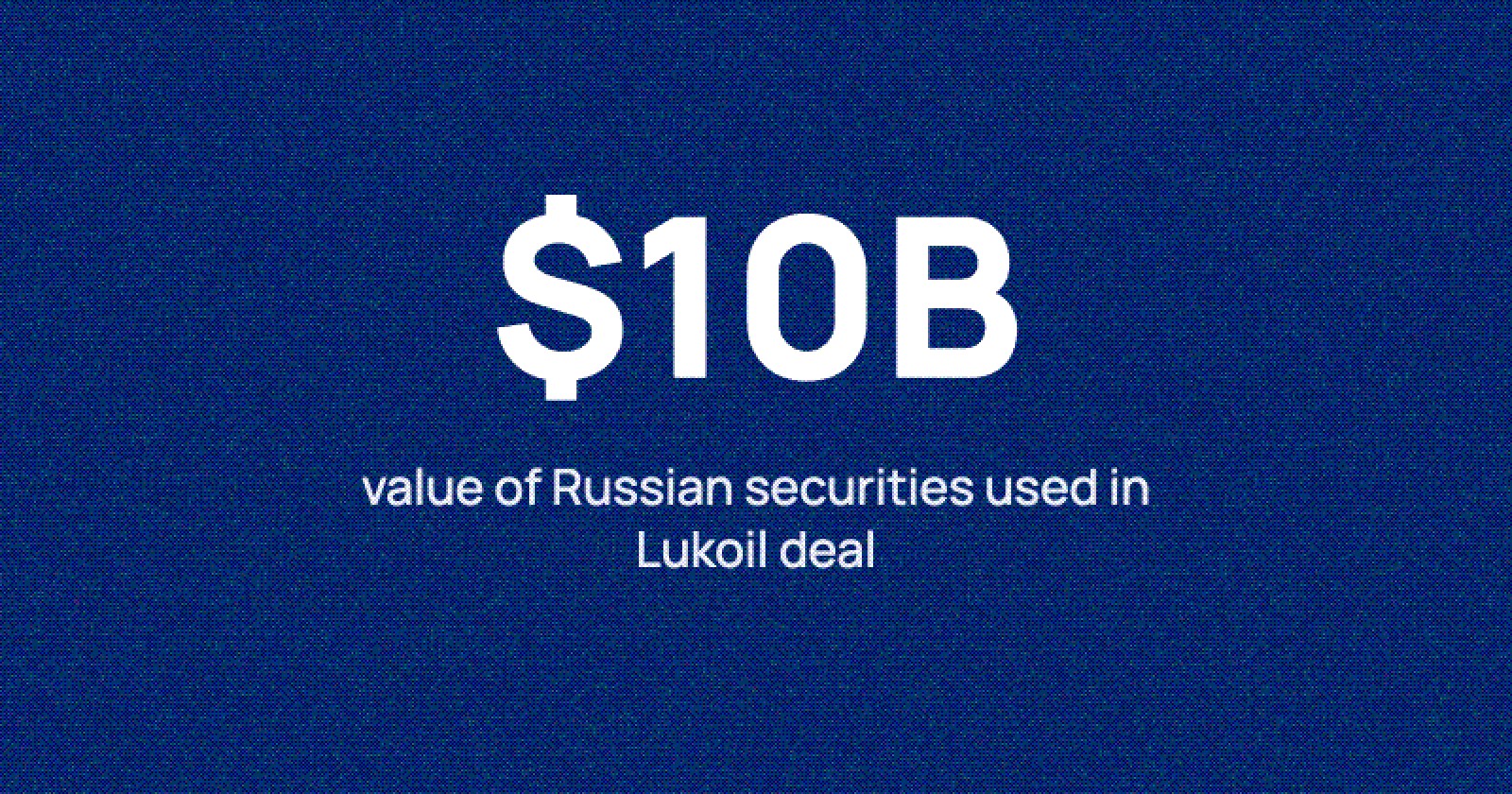
On November 25, 2026, a consortium led by Todd Boehly's investment firm Eldridge announced a definitive agreement to acquire 100% of Lukoil International GmbH (LIG), the Russian energy giant's international holding company. The transaction, valued at roughly $10 billion in Russian securities purchased from Western investors at a discount, marks one of the largest attempted transfers of Russian-owned energy assets since the onset of sanctions. The buyer group also includes the U.S. International Development Finance Corporation (DFC), the investment bank Xtellus Partners, and UAE-based Catena Investment Holding.
Assets and scope
Lukoil's international upstream operations produce approximately 350,000 barrels of oil equivalent per day. According to Forbes Kazakhstan, the deal encompasses Lukoil's 5% stake in Tengizchevroil and its 13.5% interest in the Karachaganak project, two of Kazakhstan's largest oil and gas ventures. These fields are operated by international consortia and are critical to Kazakhstan's export capacity. The acquisition, if completed, would give the U.S.-backed consortium direct ownership in these assets, shifting the balance of energy equity in Central Asia.
Regulatory and diplomatic hurdles
The agreement provides a 60-day exclusivity period for the transaction to be finalized, during which the U.S. Treasury Department's Office of Foreign Assets Control (OFAC) must grant approval. The involvement of the DFC, a U.S. government agency, underscores the strategic intent. An Eldridge statement said the deal aims to "secure critical global energy assets." Kazakhstan's energy ministry declined to comment, while KazMunayGas said it would provide details later. A source familiar with the transaction estimated that closing could take approximately one year.
The deal could complicate Kazakhstan's long-stated ambition to increase state ownership in its major oilfields, potentially reshaping the country's energy sector. More broadly, it represents a novel use of frozen Russian securities as consideration, a mechanism that may influence future sanctions-related asset transfers and trade finance structures. With OFAC review pending and a year-long timeline, the transaction's ultimate completion remains uncertain, but its announcement has already shifted expectations about how Russian-linked energy assets might be redeployed in global markets.
Subscribe
Get Niien News updates in your inbox.