
Air Cargo Rates Hit 2026 High as Demand Outpaces Falling Jet Fuel
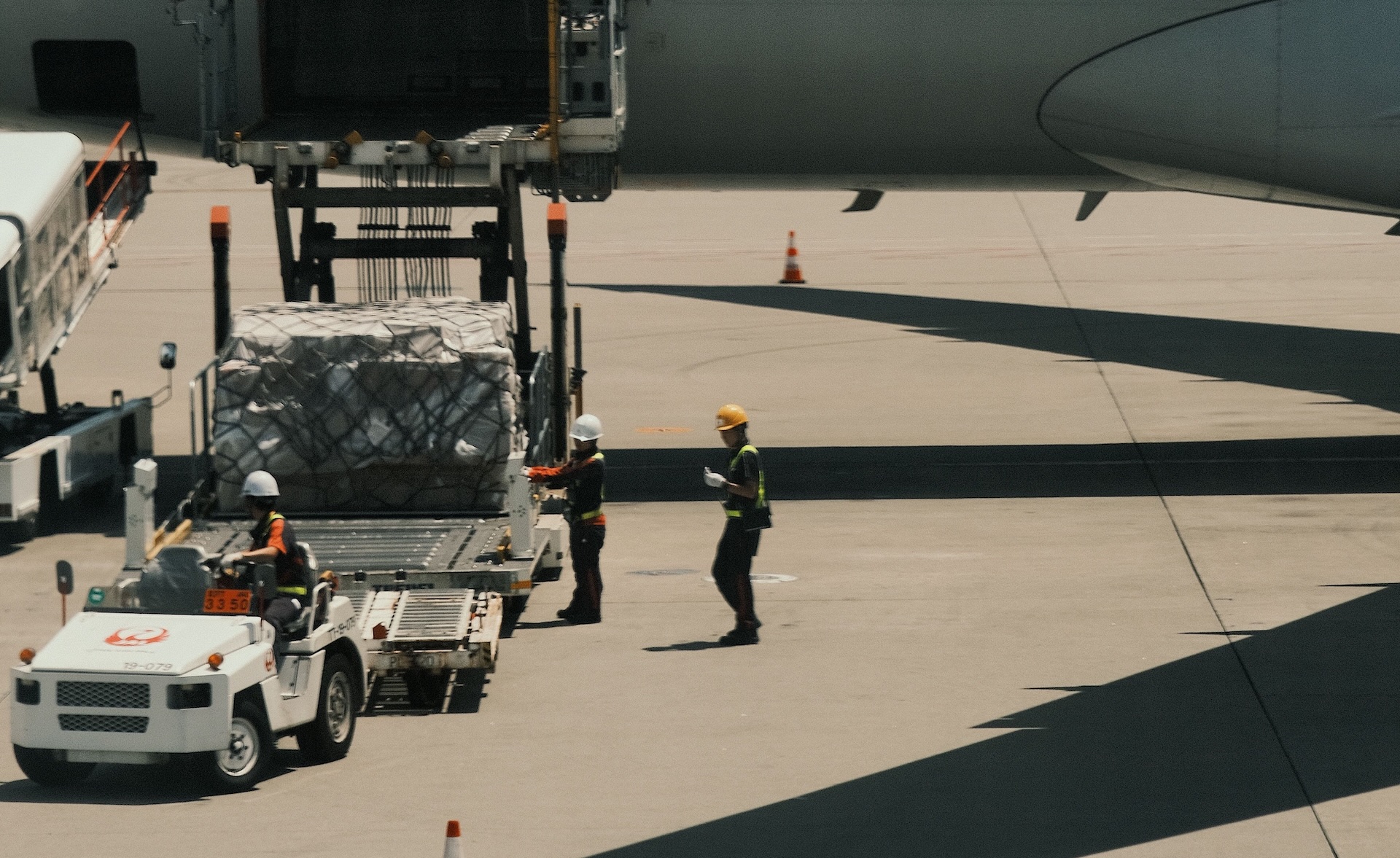
For much of 2026, the price of moving goods by air was dictated by a single, stubborn variable: the cost of aviation fuel. With geopolitical conflicts driving jet fuel prices more than double their year-ago levels earlier this autumn, airlines relied on steep fuel surcharges to put a hard floor under cargo tariffs. Now, as the global retail calendar enters its most unforgiving stretch, that relationship has fractured. Air freight pricing has decoupled from energy costs, driven instead by an acute squeeze on physical belly and freighter capacity.
According to the latest Baltic Air Freight Index data compiled by TAC Index for the week ending November 9, the global benchmark index climbed to 2,924 points. That marks the highest reading of 2026 and leaves rates 28.2% higher than the same period a year earlier, surpassing the peak-season highs recorded in both 2024 and 2025. What makes the rally unusual is its timing relative to energy markets. In the week ending November 6, the International Air Transport Association's Jet Fuel Price Monitor showed average global jet fuel prices falling 6.5% week-on-week. Under normal market conditions, a sharp retreat in fuel costs—which typically account for roughly a quarter to a third of air cargo operating expenses—would soften spot rates. Instead, tariffs accelerated.
The surge is broad-based, leaving logistics managers with few geographic escape valves. Outbound rates from Frankfurt, Europe's premier air cargo hub, jumped 9.9% in a single week, propelled by surging demand on lanes bound for both the United States and China. Across Asia, short-notice spot rates are climbing simultaneously out of major manufacturing hubs in mainland China, Hong Kong, and India. When pricing hardens across multiple origins at once, forwarders lose the ability to route freight through secondary gateways to bypass bottlenecks.
Gulf carrier cargo capacity remains roughly 20% below late-February levels
Behind the numbers lies a collision between seasonal retail urgency and structural supply-chain disruption. With Thanksgiving and Black Friday in North America followed immediately by the European Christmas rush, shippers are racing to replenish high-margin consumer electronics, apparel, and industrial components. At the same time, persistent maritime instability in the Middle East and extended transit times around the Suez corridor have forced a steady stream of time-sensitive cargo off container ships and into aircraft holds. Compounding the capacity crunch, Gulf carrier cargo capacity remains roughly 20% below late-February levels, while technology hyperscalers and cross-border e-commerce platforms have aggressively absorbed available space.
For multinational supply-chain teams, the widening gap between contract and spot pricing has turned earlier procurement decisions into a decisive competitive advantage. Large shippers that locked in block-space agreements earlier in the year are largely insulated from this month's volatility. Those forced onto the spot market to rescue delayed ocean shipments are paying steep premiums simply to guarantee uplift.
Relief is unlikely before the new year. Because the current rally is anchored in genuine volume rather than fuel pass-throughs, airlines hold firm pricing power through the remainder of the fourth quarter. Until ocean schedules stabilize and maritime chokepoints clear enough to coax freight back onto the water, the price of speed in global trade will remain near multi-year highs.
Sources
TAC Index, International Air Transport Association (IATA), Air Cargo News, Shipping Gazette
Subscribe
Get Niien News updates in your inbox.